Top Advances in Cell Gene Therapy and Their Impact on Medicine?
Advancements in cell gene therapy have opened new avenues in medicine. As Dr. Jennifer Doudna, a pioneer in the field, stated, “We are on the brink of redefining how we treat genetic diseases.” This technology harnesses the body's own cells to target and correct genetic mutations. It has shown tremendous potential in treating conditions like hemophilia and certain types of cancer.
Cell gene therapy involves complex procedures. The process often requires customizing treatments for individual patients. This personalization enhances efficacy but adds layers of challenge in development and administration. The hope for cures brings immense excitement, yet it raises ethical questions and concerns about accessibility.
Despite its promise, challenges remain. Not all therapies have met safety and effectiveness benchmarks. Risk management is crucial as the field evolves. Patients deserve clarity on treatment implications. Moreover, the long-term effects of these therapies are still under investigation. The path ahead for cell gene therapy is promising but requires thoughtful reflection.

Recent Breakthroughs in Gene Therapy Techniques
Gene therapy techniques have undergone rapid evolution in recent years, driven by innovations in delivery methods and genetic editing tools. The CRISPR-Cas9 technology has transformed the landscape, enabling precise modifications to DNA sequences. According to a report from Grand View Research, the global gene therapy market is projected to reach $26.53 billion by 2028, reflecting a growing acceptance of these methods in treating genetic disorders.
Recent studies have demonstrated significant advancements in viral vectors and non-viral delivery systems. For instance, adeno-associated viruses (AAVs) have shown promise in targeting specific types of cells to deliver therapeutic genes more efficiently. However, challenges persist in ensuring long-lasting effects and minimizing immune responses. Reports indicate that around 30% of patients experience adverse immune reactions to AAVs, highlighting the need for more refined approaches.
Moreover, innovations like base editing and prime editing offer new pathways to modify genes without inducing double-strand breaks. While these techniques promise less invasive interventions, ethical and safety considerations remain paramount. As the field advances, ongoing monitoring of long-term outcomes is essential to understand the full impact of these therapies on patients' health and well-being.
Prominent Cell Gene Therapy Applications in Medicine
Gene therapy has transformed medicine, promising to tackle genetic disorders at their source. Recent applications show significant potential in treating conditions like spinal muscular atrophy and various cancers. For instance, a study from the journal "Nature" highlights a 25% increase in survival rates for advanced cancer patients through innovative gene therapy approaches.
Tips: Regular consultations with healthcare professionals are crucial. Understanding your specific condition empowers informed decisions.
CAR-T cell therapy stands out by modifying a patient’s T cells to target cancer. This method has changed the landscape for blood cancers, with a 43% remission rate reported in a significant trial. However, not all patients respond positively. Some experience severe side effects, leading to difficult choices.
Tips: Patients should maintain realistic expectations. Every therapy has risks and benefits that must be weighed carefully.
The future of gene therapy looks promising, yet challenges remain. There’s variability in response rates among individuals. Researchers continue to seek answers on why certain patients benefit more than others. Understanding these nuances will be critical in refining treatments and expanding their applicability.
Top Advances in Cell Gene Therapy
Impact of Regulatory Advances on Gene Therapy Development
The landscape of gene therapy has evolved significantly. Regulatory advances have played a crucial role in this transformation. Streamlined approval processes have shortened timelines for promising treatments. As a result, many therapies are reaching patients faster than ever before.
Regulations now focus on safety while encouraging innovation. This balance is delicate. There have been instances where rushed approvals led to unforeseen complications. These cases remind us of the importance of rigorous clinical trials. Transparency in the development process is vital. It fosters trust between developers and patients.
Moreover, regulatory bodies are increasingly open to adaptive trial designs. This flexibility allows for real-time adjustments based on patient responses. However, it raises questions about the long-term implications. As the pace of development quickens, maintaining high standards remains a challenge. All stakeholders must reflect on these practices to ensure that progress does not compromise safety.
Top Advances in Cell Gene Therapy and Their Impact on Medicine
| Advance |
Description |
Impact on Medicine |
Regulatory Development |
| CRISPR-Cas9 |
A revolutionary gene-editing technology allowing precise edits to DNA. |
Potential for addressing genetic disorders, cancer, and infectious diseases. |
Accelerated approval pathways for novel therapies in the US and EU. |
| CAR-T Cell Therapy |
A therapy that modifies patient's T cells to better attack cancer cells. |
Transformative treatment for certain types of blood cancers. |
Increased streamlining in clinical trial assessments and approvals. |
| Gene Therapy for Rare Diseases |
Therapies targeting specific genetic mutations responsible for rare conditions. |
Offers hope and potential cures for diseases previously thought untreatable. |
Adoption of orphan drug designations to encourage development. |
| In Vivo Gene Delivery Systems |
Innovative platforms for introducing genes into cells directly within the body. |
Significantly enhances the safety and efficacy of gene therapies. |
Regulatory support for new delivery technologies and Manufacturing standards. |
Challenges and Ethical Considerations in Gene Therapy
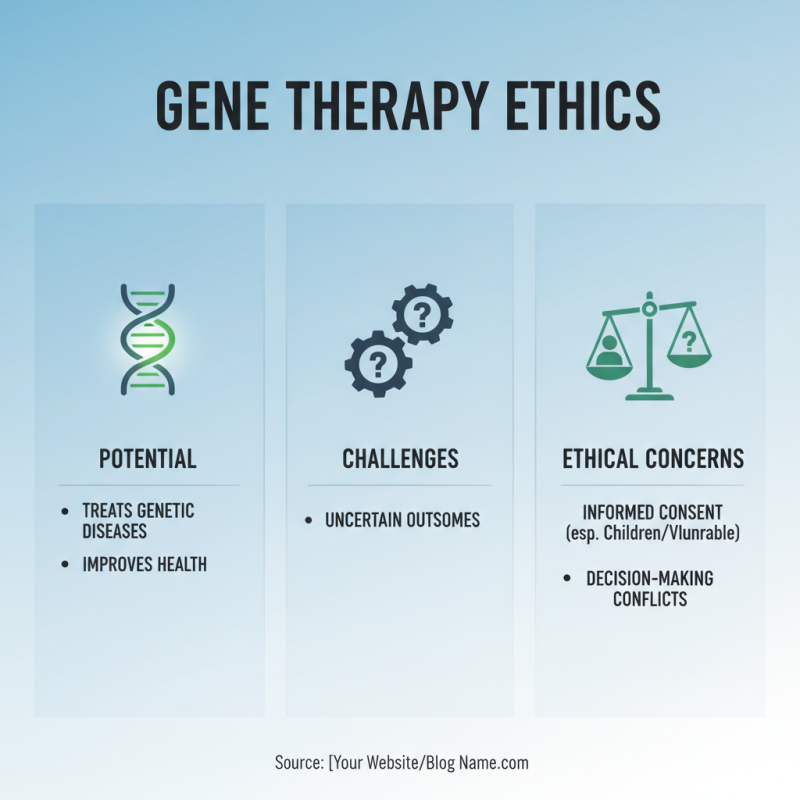
Gene therapy holds vast potential for treating genetic diseases and improving healthcare outcomes. However, it also raises significant ethical concerns. One major issue is consent, especially when involving children or vulnerable populations. Patients may not fully understand the experimental nature of these therapies. This can lead to conflicts about who makes decisions regarding participation.
Equity in access to gene therapy is another challenge. Not all patients can afford cutting-edge treatments. This discrepancy could widen the gap in healthcare. Additionally, there's a risk of unintended genetic consequences. Altering genes may lead to unknown side effects in future generations. The long-term effects of gene therapy are still largely unknown.
Society must confront these ethical dilemmas. Ongoing discussions among scientists, ethicists, and the public are critical. Society needs clear guidelines to navigate the complexities of gene therapy. Transparency must be emphasized in research and clinical practices. As we advance, these conversations will shape the future of medicine, ensuring it's both innovative and ethical.
Future Prospects and Innovations in Cell Gene Therapy
The field of cell gene therapy is rapidly evolving. Innovative techniques are reshaping how we understand and treat various diseases. According to a recent report from the Alliance for Regenerative Medicine, the global gene therapy market is expected to reach $13 billion by 2026. This showcases the growing investment and interest in this transformative area.
Future prospects in cell gene therapy are promising. Scientists are exploring CRISPR technology for precise gene editing. Initial studies indicate significant success in treating genetic disorders. However, challenges remain in scalability and long-term effects. Not every therapy works uniformly in diverse populations. Ongoing research must address these gaps for broader applications.
Tips: Always keep abreast of emerging studies. Consider how breakthroughs might affect treatment options. Collaboration between researchers and clinicians can drive better outcomes. The focus should remain on patient safety and ethical practices in all trials.