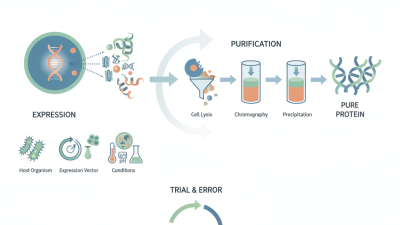
10 Best Techniques for Protein Extraction You Should Know?
Protein extraction is a critical process in various fields, including biochemistry, molecular biology, and biotechnology. This technique is fundamental for isolating proteins for research and industrial applications. According to a report by Grand View Research, the global protein extraction market is expected to reach USD 4.34 billion by 2025, highlighting its growing importance in scientific exploration.
Different techniques for protein extraction have distinct advantages and limitations. Methods such as salting out and column chromatography can yield high-purity proteins but may require significant time and resources. Industry experts emphasize that choosing the right extraction technique depends on the sample type and desired protein purity. Many researchers find themselves navigating the complexities of these choices, needing to balance efficiency with yield and purity.
Navigating protein extraction requires a blend of expertise and understanding. While advanced methods are available, the fundamentals should not be overlooked. It is essential to recognize that even established techniques can lead to variability in results. Proper validation of processes can be the difference between a successful extraction and a failed experiment. Reflecting on past experiences can guide the optimization of these protocols.
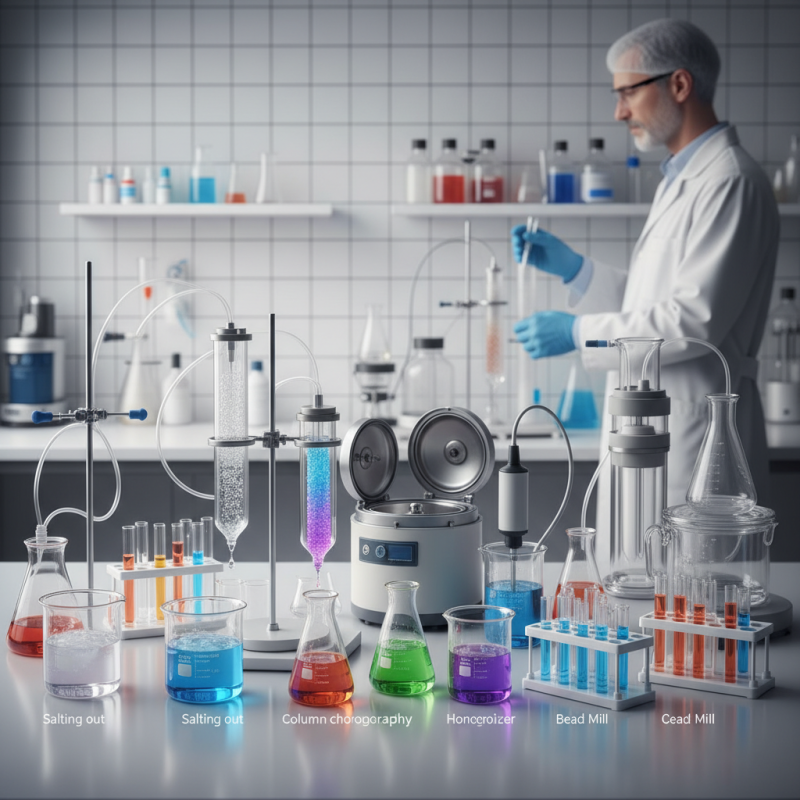
Overview of Protein Extraction Techniques
Protein extraction is a crucial step in various scientific fields. Techniques can vary widely depending on the source and target protein. Understanding these techniques helps optimize yields and maintain protein integrity.
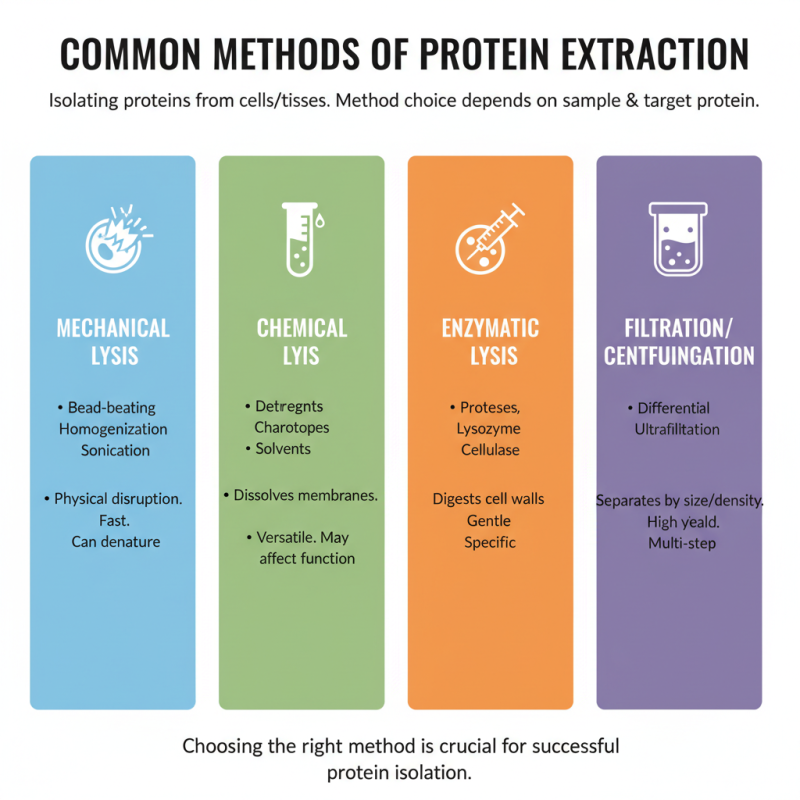
Common methods include mechanical disruption, where physical force breaks down cells. This method is straightforward but may not preserve delicate proteins. Chemical methods utilize detergents and solvents. They can effectively solubilize proteins but may alter them.
Enzymatic extraction uses specific enzymes to break down cell walls. This technique is gentle but can be costly and time-consuming. Another popular method is ultrafiltration, which separates proteins based on size. While effective, it requires specialized equipment. Each of these methods has pros and cons, creating a learning curve for researchers. Careful selection is vital for successful protein extraction.
Protein Extraction Techniques Comparison
Understanding the Importance of Protein Extraction
Protein extraction is a vital process in biochemistry and molecular biology. It enables researchers to isolate proteins for various applications, including drug development and diagnostics. Understanding the importance of protein extraction is essential for scientists and laboratories alike.
Protein extraction methods differ widely. Some techniques, like salt precipitation, are simple yet effective. Others may involve complex steps and expensive reagents. The choice of method can greatly influence the yield and purity of the extracted proteins. Often, researchers must balance the complexity of the extraction method with their specific needs.
Errors can occur during the extraction process. Common mistakes include overheating samples or using inappropriate buffers. Such mistakes can lead to degraded proteins or loss of biological activity. Continuous reflection on techniques and results can help refine the process. Ultimately, mastering protein extraction requires both practice and critical evaluation of each step involved.
Common Methods of Protein Extraction
Protein extraction is essential in biological research. Several common techniques have been developed to isolate proteins from cells and tissues. Each method has its advantages and disadvantages, depending on the type of sample and the target protein.
One popular technique is salting out. It relies on the solubility differences in proteins. By adding salts, proteins precipitate out of solution, making them easier to purify. While effective, it may not work for all protein types. Another widely used method is ultrafiltration. This technique uses membranes to separate proteins based on their size. It's efficient but can sometimes lose smaller proteins.
Sonication is another approach. Here, sound waves break cell membranes, releasing proteins. It is quick but can cause protein denaturation if not done carefully. Each technique has a unique footprint in research, yet understanding their limitations is crucial. For example, certain methods might be too gentle, while others can be too harsh for sensitive proteins. Finding the right balance is an ongoing challenge for researchers.
Step-by-Step Guide for Each Extraction Technique
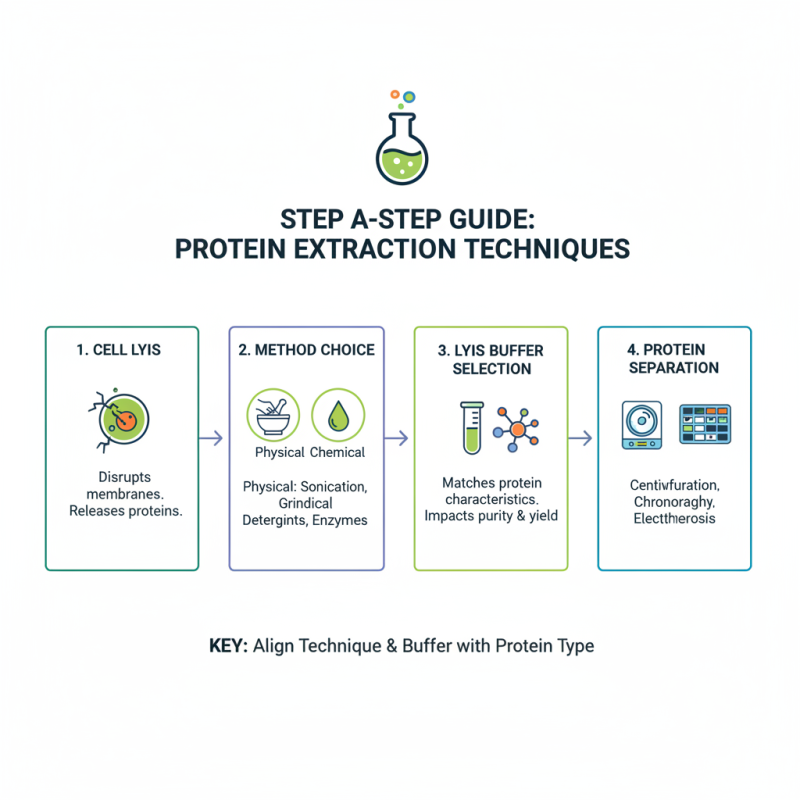
When it comes to protein extraction, using the right technique is crucial. Each method has unique steps that can affect the purity and yield of proteins. A common approach involves cell lysis, achieved through physical or chemical means. This process disrupts cellular membranes and releases proteins into a solution. Remember, the choice of lysis buffer can significantly impact your yield. It’s essential to align the buffer with your protein's characteristics.
After lysis, the clarification step is important. Centrifugation helps separate cell debris from soluble proteins. Aim for the right speed and duration; both factors can alter the quality of your extract. If not careful, valuable proteins may be lost in the sediment. Filtration can act as an alternative but requires precise handling to avoid clogging.
Following clarification, purification techniques like affinity chromatography refine your sample. These methods often involve binding proteins to specific ligands, allowing for selective extraction. However, be mindful; improper conditions can lead to protein denaturation. Each technique demands a tailored approach, reflecting the complexity of protein extraction. Remember, practice and critical assessment of your methods will lead to improved results over time.
Factors Affecting the Efficiency of Protein Extraction
Protein extraction is a complex process influenced by various factors. The choice of extraction technique is critical. Different methods yield different results based on the protein source. For instance, some techniques work well with animal tissues, while others are better suited for plant materials.
The extraction buffer’s composition plays a significant role. It can enhance solubility and stabilize proteins. Salts, detergents, and pH must be optimized. Temperature also matters; high heat can denature proteins. Unexpected changes can occur, and monitoring is crucial. Even minor fluctuations can lead to significant variations.
Cell lysis methods are vital too. Mechanical disruption, chemical lysis, or enzymatic digestion each have advantages and drawbacks. The efficiency of these approaches can vary depending on the sample type. There may be trade-offs, such as losing protein yield when using more aggressive methods. Balancing yield and purity is often challenging and requires careful consideration.
10 Best Techniques for Protein Extraction You Should Know - Factors Affecting the Efficiency of Protein Extraction
| Technique |
Extraction Yield (%) |
Time (Hours) |
Cost (USD) |
Notes |
| Sonication |
85 |
1 |
150 |
Effective for disrupting cell walls. |
| Chemical Lysis |
75 |
2 |
100 |
Uses detergents and solvents. |
| Pressure Homogenization |
90 |
0.5 |
200 |
High efficiency for tough samples. |
| Bead Beating |
80 |
1 |
120 |
Useful for tough tissues. |
| Enzymatic Lysis |
70 |
3 |
250 |
Gentle on proteins. |
| Freeze-Thaw Cycles |
60 |
4 |
50 |
Simple and low-cost. |
| Centrifugation |
85 |
1 |
80 |
Good for separating cell debris. |
| Phase Separation |
65 |
2 |
300 |
Requires specific solvents. |
| Salting Out |
72 |
2 |
40 |
Cost-effective for large-scale. |
| Ultrafiltration |
82 |
2 |
400 |
High throughput for purification. |