What is CRISPR Kits and How Can They Be Used?
CRISPR kits are revolutionizing genetic engineering. These kits enable scientists to edit genes quickly and efficiently. Dr. Jennifer Doudna, a pioneer in CRISPR technology, stated, "We have the ability to change the world in ways we never thought possible." This highlights the transformative power of CRISPR kits in modern biology.
The diverse applications of CRISPR kits range from agriculture to medicine. They can enhance crop resistance, leading to food security. In healthcare, CRISPR kits are used in experimental therapies for genetic disorders. However, these powerful tools raise ethical questions. Misuse can lead to unintended consequences in the ecosystem and human health.
Adapting to this new technology requires careful consideration. While CRISPR kits present immense opportunities, challenges remain. Understanding the full implications of gene editing demands continuous reflection and responsible use. The promise of CRISPR kits must be balanced with caution and respect for life.
What is CRISPR Technology?
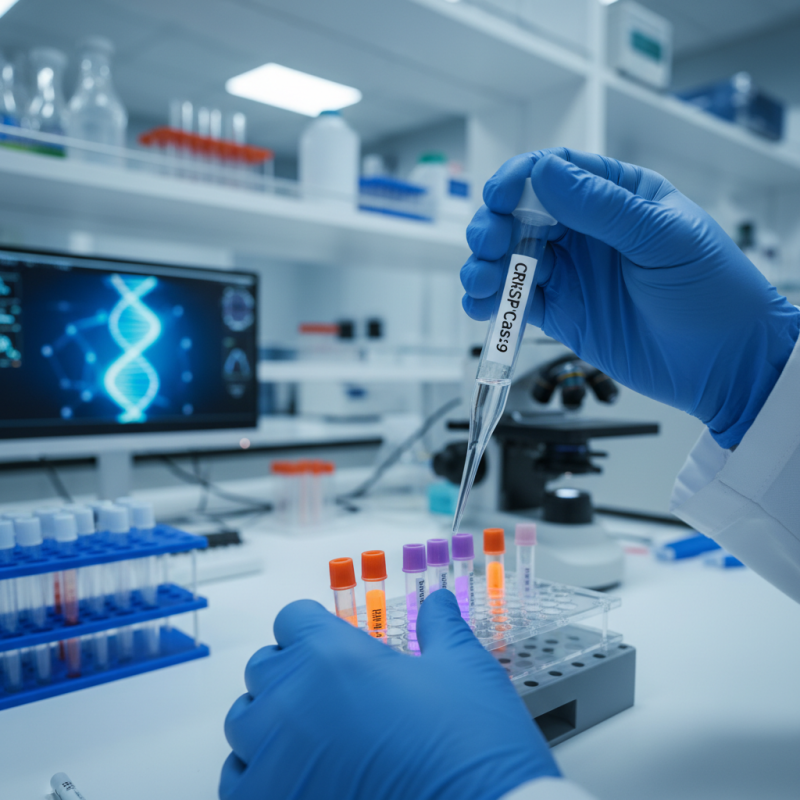
CRISPR technology is a revolutionary gene-editing tool that allows scientists to modify DNA with precision. This method utilizes the natural defense mechanisms found in bacteria. According to a report by Nature Biotechnology, CRISPR-Cas9 has transformed genetic research and therapeutic approaches. Researchers have used CRISPR to edit genes related to diseases like cystic fibrosis and sickle cell anemia.
The methodology involves designing a guide RNA to direct the Cas9 enzyme to the desired DNA location. This specificity reduces off-target effects, making CRISPR an effective choice. A research study published in the journal Science found that applications of CRISPR are expanding rapidly in agriculture, medicine, and biotechnology. Over 60% of researchers express confidence in the technology's potential.
Tips: Experimentation with CRISPR requires careful planning. Start with small-scale projects to minimize ethical concerns. Regularly review your methodology. You can refine your approach based on results. Collaborative research also enhances the learning process and outcomes. Always consider the implications of your work on society and the environment.
What is CRISPR Kits and How Can They Be Used? - What is CRISPR Technology?
| Feature |
Description |
Applications |
Advantages |
| CRISPR Technology |
A genome editing tool that allows scientists to modify DNA sequences. |
Gene therapy, agriculture, biological research. |
High precision, low cost, ease of use. |
| kinds of CRISPR Kits |
Include reagents and protocols for introducing CRISPR components into cells. |
Research in genetics, cellular modification. |
Tailored for specific applications, user-friendly. |
| Components of CRISPR Kits |
Proteins, guide RNA, control elements, reagents. |
Genome editing, functional studies, gene knockout. |
Comprehensive, includes all necessary tools. |
| Limitations |
Potential off-target effects, ethical concerns. |
Human genetic modifications, ecological impacts. |
Ethics committees advisory, ongoing research for improvement. |
Components of CRISPR Kits Explained
CRISPR kits are transforming genetic research and biotechnology applications. Understanding the components is vital for successful utilization. Each kit typically includes guide RNAs, Cas9 proteins, and specific reagents. Guide RNAs direct the Cas9 enzyme to the target DNA sequence, allowing for precise editing. This targeted approach shows promise, particularly in agriculture and medicine.
Guide RNAs are synthesized based on the desired DNA sequence. The proficiency in designing these RNA molecules greatly affects editing success. In 2022, a report indicated that successful edits are achieved in over 70% of trials when properly designed guide RNAs are used. However, designing optimal guides remains a challenge, with various off-target effects still being a concern.
Cas9 proteins are crucial for the actual cutting of DNA. The effectiveness of Cas9 varies depending on its source. Additional reagents, such as buffers and ligases, are also included. They are essential for maximizing editing efficiency. While CRISPR technology holds immense potential, researchers must remain cautious. Each component requires careful handling and precise execution to ensure reliable results. As this field advances, ongoing evaluation and adaptation are necessary to mitigate risks associated with gene editing.
Common Applications of CRISPR Kits in Research
CRISPR technology has revolutionized molecular biology and genetics research. Researchers have started using CRISPR kits for a variety of applications. These kits enable targeted genome editing, gene knockout, and gene activation, making them vital tools in modern laboratories. According to a report by Research and Markets, the CRISPR market is expected to reach USD 5.3 billion by 2028, demonstrating rapid growth in this field.
One prominent application of CRISPR kits is in gene therapy. Scientists are exploring potential treatments for genetic disorders. For instance, studies have shown significant results in sickle cell disease and muscular dystrophy. Researchers utilized CRISPR to address specific mutations effectively. However, ethical concerns linger over gene editing in humans. Off-target effects can lead to unintended consequences, prompting caution in clinical applications.
Another key application is agricultural biotechnology. CRISPR technology allows for precise modification of crop genomes, enhancing resistance to pests and diseases. The possibility of creating crops with better yield remains alluring. Yet, there are regulatory hurdles and public skepticism about genetically modified organisms. These issues underscore the need for ongoing dialogue in this scientific field.
Potential Ethical Concerns Related to CRISPR Use
CRISPR technology has sparked interest due to its efficiency in gene editing. However, ethical concerns loom large over its use. One major worry is genetic modification in humans. Editing genes can lead to unintended consequences, such as unforeseen health issues. The possibility of "designer babies" raises questions about equity in access to these technologies.
Another concern is biodiversity. Altering genes in crops can impact ecosystems. The long-term effects are not yet fully understood, posing risks to food security and natural habitats. Additionally, the potential misuse in bioweapons cannot be ignored. These possibilities call for thoughtful regulations and oversight.
Tips: When discussing CRISPR, consider both benefits and risks. Engage in community dialogues to understand diverse perspectives. It’s essential to advocate for responsible use. Reflect on the impact of technology on future generations. Balancing innovation with ethical responsibility is crucial.
Future Directions and Innovations in CRISPR Technology
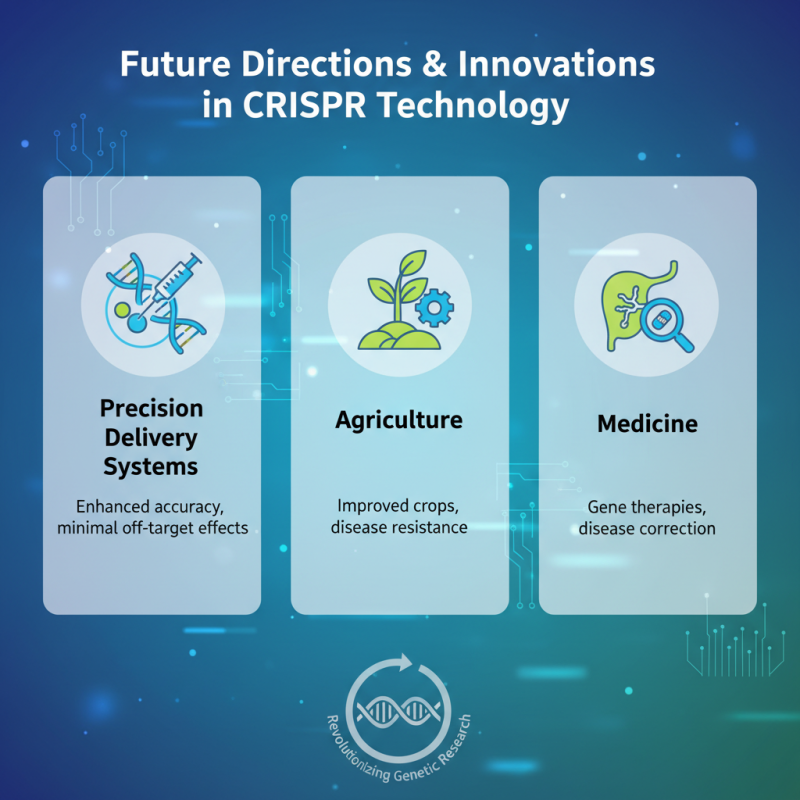
CRISPR technology is revolutionizing genetic research and its applications. As innovations continue to emerge, researchers are exploring its potential to address pressing issues in agriculture, medicine, and beyond. One exciting direction involves the development of more precise and efficient delivery systems for CRISPR components. This could enhance gene editing accuracy, minimizing off-target effects that have raised concerns in previous studies.
Tips: Always consider the ethical implications of gene editing. Engage in discussions with peers and experts. Understand the long-term impacts before proceeding with projects.
Another innovative trend is the combination of CRISPR with other technologies, such as synthetic biology. This integration could lead to groundbreaking advancements. For instance, it may enable the engineering of microbes to produce sustainable biofuels or pharmaceuticals. However, researchers must remain cautious. Not every experiment yields clear results, and unexpected consequences can emerge.
Tips: Document your findings meticulously. Reflect on each result, whether positive or negative. This will sharpen your insight and enhance future experiments.