How to Perform Protein Extraction Efficiently and Accurately?
Protein extraction is a critical process in biochemical research and biotechnology. It involves isolating proteins from biological samples, which can be complex and time-consuming. According to a report by Grand View Research, the global protein extraction market is projected to reach $1.5 billion by 2025, driven by advancements in research methodologies. Accurate protein extraction is vital for various applications, including drug development and diagnostics.
The efficiency of protein extraction methods can significantly impact experimental outcomes. Yet, researchers often face challenges such as low yield and protein degradation during extraction. As reported by Nature Reviews, up to 30% of proteins can be lost due to inefficient extraction techniques. This highlights the importance of selecting the right method tailored to specific sample types and desired protein characteristics.
Moreover, the quest for optimization is ongoing. Researchers are continually refining their techniques, seeking innovative solutions to enhance yield and purity. While advancements have been made, there remains a need for critical evaluation of existing methods. Overall, understanding the nuances of protein extraction is essential for achieving reliable results in scientific studies.
Essential Principles of Protein Extraction Methodologies
Efficient and accurate protein extraction is crucial in biological research. Understanding the essential principles of protein extraction methodologies can significantly impact results. Different biological samples require tailored extraction techniques. For example, plant proteins often require harsher conditions, while mammalian cells may tolerate milder environments. Researchers must consider factors like sample type, protein solubility, and the potential for denaturation when selecting a method.
A 2020 report from the Journal of Proteome Research indicates that improper extraction methods can lead to a 30% loss of valuable proteins. This highlights the necessity of optimizing protocols for each application. Techniques such as centrifugation, filtration, and pH adjustments are fundamental. Each of these methods has specific applications and limitations.
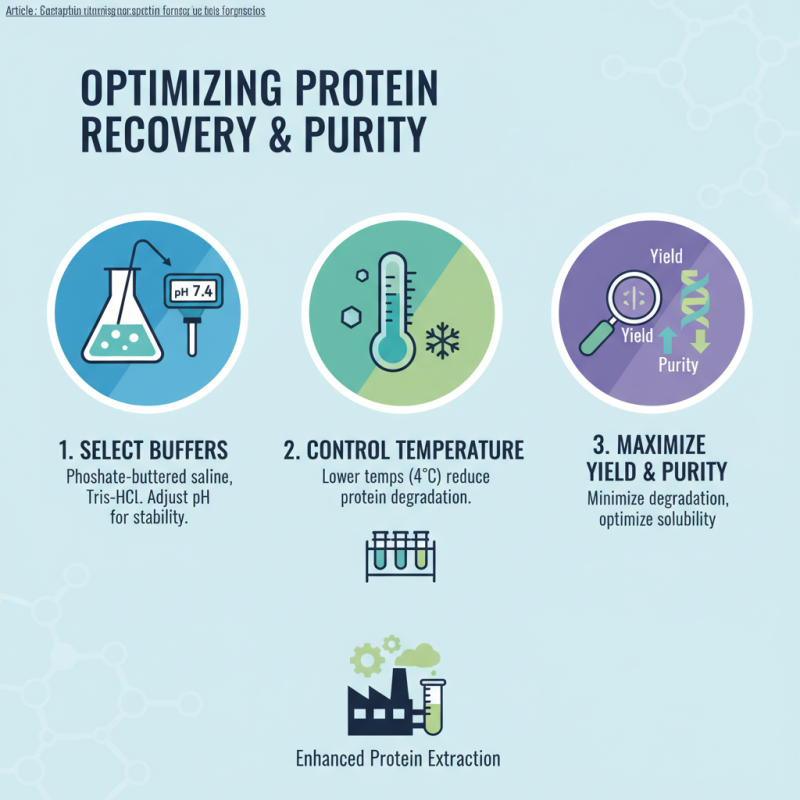
Different buffers can drastically affect protein yield and quality. Common buffering agents like phosphate and Tris have unique properties that can influence extraction efficiency. It's critical to balance these factors to maximize output. Errors in protein extraction often stem from a lack of protocol validation. Continuous refinement of methods is necessary to adapt to varying sample conditions. Understanding these nuances will enhance both the reliability of the results and the reproducibility of experiments.
Choosing the Right Sample Preparation Techniques for Protein Isolation
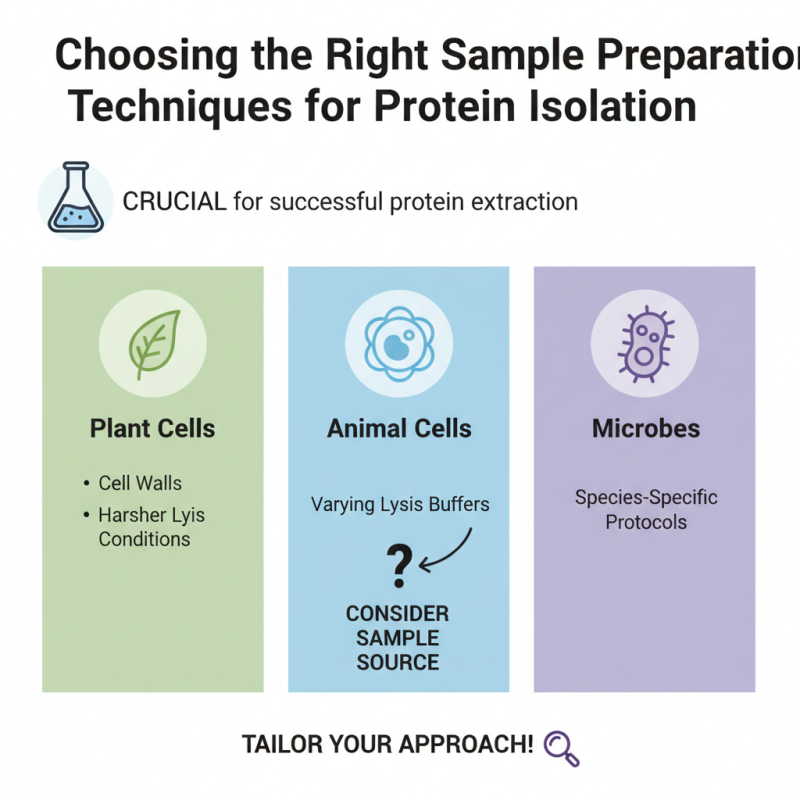
Choosing the right sample preparation techniques for protein isolation is crucial for successful protein extraction. Different proteins demand different conditions for effective isolation. Consider the source of your samples. Animal cells, plant cells, and microbes each require tailored approaches. For example, plant tissues may need harsher conditions due to cell wall structures.
Homogenization is often the first step. This process breaks down tissues into smaller fragments. Techniques can include grinding, sonication, or using buffer solutions. The choice here can significantly influence protein yield. However, improper homogenization can lead to protein degradation. It’s important to optimize the duration and intensity based on your specific samples.
Following homogenization, filtration or centrifugation can help remove debris. This step is essential, but it can be easy to overlook. Not all methods of removing debris yield the same purity. Testing different filtration techniques may reveal more about your protein’s behavior. Sometimes, adjustments lead to unexpected results. Rethinking your approach can lead to improved efficiencies in protein isolation. This trial-and-error method can ultimately refine your technique and enhance reliability.
Common Solvents and Reagents for Effective Protein Extraction
When it comes to protein extraction, selecting the right solvents and reagents is crucial for efficiency and accuracy. Commonly used solvents include aqueous buffers and organic solvents. A phosphate-buffered saline (PBS) is often chosen for its compatibility with many proteins. It maintains a stable pH and helps preserve protein structure. Meanwhile, adding organic solvents like methanol can aid in protein solubilization, especially for membrane proteins.
Other reagents play a significant role in the extraction process. Detergents, for instance, can solubilize cellular membranes, aiding in the release of proteins. SDS (sodium dodecyl sulfate) is popular for denaturing proteins during extraction. It's essential to consider the type of protein being extracted, as some may require gentle handling due to their sensitivity.
However, achieving optimal extraction remains a trial-and-error process. The choice of solvents can impact protein yield and functionality. Experimentation with different solvents is often necessary. Keeping detailed records aids in refining methodologies over time. Understanding the specific characteristics of proteins will ultimately lead to more precise extraction outcomes.
Protein Extraction Efficiency by Solvent Type
Troubleshooting Common Issues in Protein Extraction Protocols
Protein extraction is a critical step in numerous scientific experiments. However, common issues can arise that hinder your results. One significant problem is protein degradation during the extraction process. This often happens due to improper temperature control. Rapidly cooling samples helps preserve protein integrity. Always keep your samples on ice.
Another frequent issue is low protein yield. This can stem from inadequate sample homogenization. Using a suitable homogenizer ensures that cells are properly lysed. Don't skip this step; it’s crucial for maximizing yield. Additionally, incorporating protease inhibitors can help prevent unwanted protein breakdown.
Tips: Always calibrate your instruments to check their accuracy. Perform pilot extractions before full-scale experiments. These steps uncover potential flaws in your protocol. Occasionally, unexpected results can indicate a need for protocol adjustments or further training in techniques. Keep detailed records of your methods and results to track any issues.