2026 Top Trends in Life Sciences Innovations and Discoveries?
In the realm of life sciences, innovation is ever-evolving and dynamic. As we approach 2026, new trends are set to reshape this field. Innovative technologies and research techniques are at the forefront of these changes. The excitement lies in their potential. However, some areas remain ambiguous and require careful consideration.
Emerging areas such as personalized medicine and biotechnology are gaining traction. Their integration into healthcare promises improved patient outcomes. Yet, challenges like ethical concerns linger. These advancements must be navigated with caution.
Moreover, artificial intelligence plays a pivotal role in life sciences. It enhances data analysis and accelerates drug discovery. Despite these advancements, questions arise about data privacy and security. The landscape of life sciences innovations is both promising and complex. The need for responsible practices is more important than ever.
2026 Innovations in Life Sciences: A Focus on AI-Driven Drug Discovery
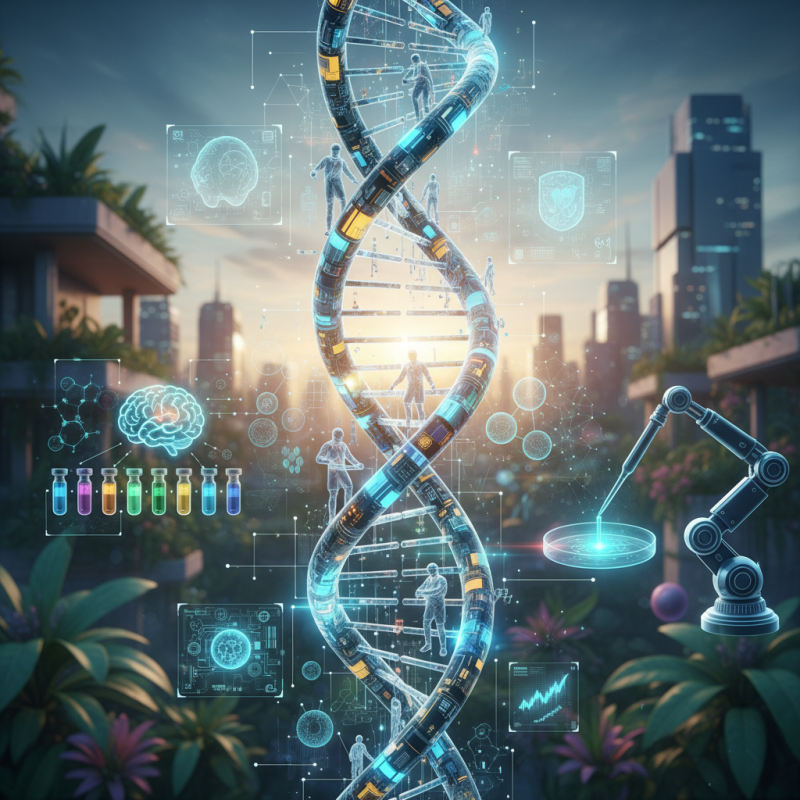
The landscape of drug discovery is shifting dramatically with the rise of AI technologies. In 2026, AI-driven methods are expected to dominate the scene. These algorithms analyze vast datasets, identifying potential drug candidates at unprecedented speeds. Researchers can now predict how molecules will interact, reducing the trial-and-error phase.
However, reliance on AI is not without challenges. Data quality is essential for accurate predictions. Poor data can lead to misleading results, creating setbacks. Moreover, there is an ongoing debate about the ethical implications of AI in life sciences. Can machines truly understand the complexities of human biology?
While AI shows promise, it is a tool, not a replacement. Scientists still play a crucial role in validating findings. Collaboration between technology and human expertise is vital. This dynamic will shape the future of drug discovery, offering both opportunities and obstacles in the evolving life sciences landscape.
2026 Innovations in Life Sciences: A Focus on AI-Driven Drug Discovery
| Trend |
Description |
Impact |
Year of Anticipated Milestone |
| AI in Drug Discovery |
Utilization of machine learning algorithms to predict drug interactions and potential side effects. |
Reduced drug development time and costs. |
2026 |
| Smart Formulations |
Creation of drug formulations that respond dynamically to physiological changes. |
Enhanced patient compliance and tailored drug release. |
2025 |
| Personalized Medicine |
Use of genetic information to tailor drug therapies for individual patients. |
Increased efficacy and reduced adverse drug reactions. |
2026 |
| AI-Driven Clinical Trials |
Implementation of AI technologies to optimize clinical trial designs and participant selection. |
Faster trial results and higher success rates. |
2026 |
| Blockchain for Drug Safety |
Utilization of blockchain technology to ensure drug traceability and combat counterfeiting. |
Increased transparency and patient safety. |
2025 |
Emerging Biomanufacturing Techniques: Redefining Production Efficiency in 2026
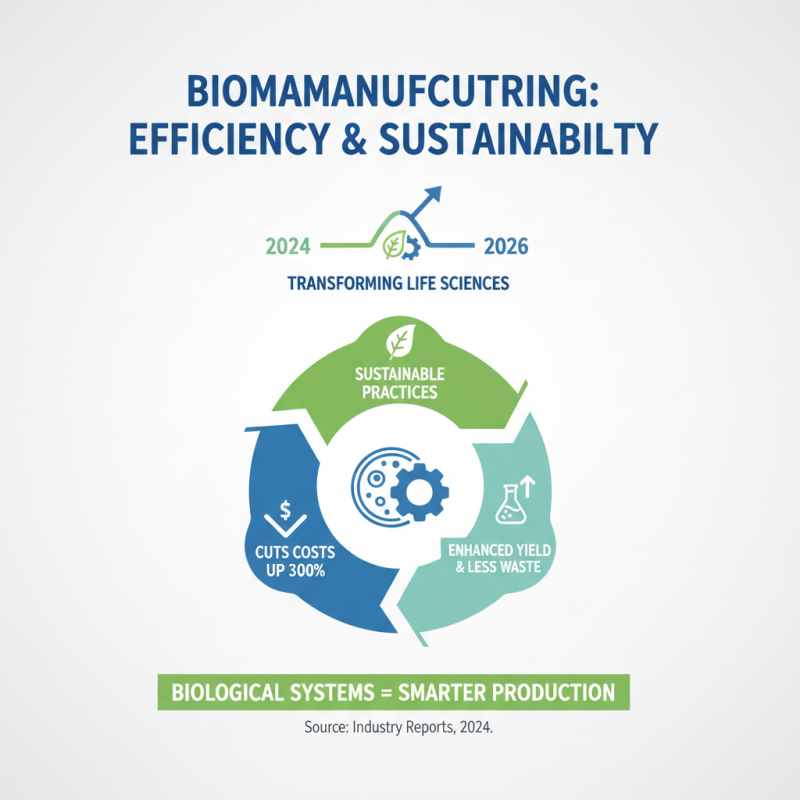
Emerging biomanufacturing techniques are set to transform production efficiency in life sciences by 2026. The focus on sustainable practices is now paramount. Reports indicate that biomanufacturing can cut production costs by up to 30%. This is significant, especially as traditional methods face rising operational expenses. By utilizing biological systems for production, companies enhance yield and reduce waste.
One of the exciting trends is the use of cell-free systems. These systems allow for faster development processes. They can produce proteins and enzymes effectively. However, challenges remain. Scale-up processes for cell-free systems are still under investigation. Industry stakeholders must address these complexities to realize full potential.
Moreover, automation in biomanufacturing is gaining traction. Automated systems streamline workflows and improve accuracy. Yet, there are drawbacks. High initial costs and the need for skilled personnel can hinder adoption. Even with these challenges, the shift toward biomanufacturing offers a glimpse into a more efficient future. Understanding these emerging trends is essential for organizations aiming to stay competitive in the marketplace.
Telehealth Advancements: Enhancing Patient Engagement and Accessibility
Telehealth has transformed healthcare delivery. The rise of virtual consultations has improved patient engagement. A report from McKinsey shows that telehealth adoption rates soared by 38 times since the pandemic began. Patients now can access care without traveling long distances, enhancing convenience for many.
Engagement in telehealth platforms proves crucial. According to a survey by the American Medical Association, over 70% of patients appreciate the ease of scheduling online visits. However, there are challenges in equity. Not everyone has the same access to technology. Rural areas may lag behind urban centers in telehealth usage. Consequently, the focus should be on closing this gap.
Accessibility is a double-edged sword. While telehealth provides new opportunities, not all patients adapt easily. Older populations might struggle with technology. Furthermore, digital literacy remains a significant barrier. Innovative solutions are needed to ensure that all patients benefit from these advancements. Enhanced user experience could bridge this digital divide effectively.
2026 Telehealth Advancements: Enhancing Patient Engagement and Accessibility
This chart illustrates the predicted growth of various telehealth advancements from 2024 to 2026, showcasing how innovations are expected to enhance patient engagement and accessibility.
Precision Medicine Trends: Utilizing Genomic Data to Tailor Treatments
Precision medicine paves the way for a new era in healthcare. By utilizing genomic data, treatments can be tailored to individual patients. This approach considers a person’s genetic makeup, lifestyle, and environment. It aims to provide more effective therapies and better outcomes.
Recent advancements show the potential in treating diseases like cancer. For instance, analyzing a tumor’s genetic profile can guide which drugs may work best. However, access to this information raises questions. Not everyone has equal access to genomic testing. This disparity can lead to gaps in care.
Ethical considerations must also be addressed. Genetic data can reveal sensitive information. Privacy protection is crucial as we move forward. Finding the balance between innovation and ethical responsibility is vital. The path to precision medicine is bright, yet it requires careful navigation.
Sustainable Practices in Life Sciences: Addressing Environmental Impact in 2026
In 2026, life sciences face a crucial challenge: how to implement
sustainable practices. Many organizations
are beginning to embrace eco-friendly methods. This shift is vital for reducing the environmental impact of
their activities. For instance, labs are transitioning to using biodegradable materials. This change can minimize
plastic waste significantly.
However, there are obstacles to overcome. Not all sustainable products are as effective as their traditional counterparts.
Some researchers find the trade-offs challenging. The balance between efficiency
and sustainability remains a constant debate. Also, the financial aspect
cannot be forgotten. Sustainable innovations often require upfront investment. Not every institution has the resources to make such
changes.
Collaboration between sectors is essential. Partnerships can drive advancements in sustainability.
Sharing knowledge leads to better practices. Universities and private companies can work together to innovate greener solutions.
Together, they can create practices that will serve the planet and enhance humanity's health. Not every solution will be perfect,
but striving for improvement is key.